Sham Shui Po Street Art A Self-Guided Mural Trail
Sham Shui Po's street art is real, it is concentrated on and around Tai Nan Street, and most of the best-known pieces went up in a single festival in 2016. This page turns the documented works into a short walking route: where to start, what each piece is, and who painted it. One honest note before you go — street art changes. Walls get repainted, shutters get replaced, shops close. What follows is a route through the works that were documented, not a guarantee of what a given wall shows today.
⏱️ The one-minute answer
Where: Tai Nan Street and the blocks immediately around it, in Sham Shui Po.
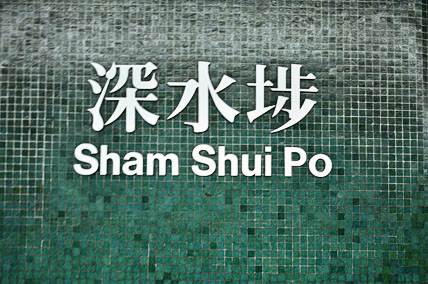
Start: Sham Shui Po MTR station, Exit D2 — the exit MTR's own
district guide uses as the start of its Sham Shui Po walk.
How long: the documented works sit within a few short blocks, so plan an unhurried
hour or two at a photo pace, and build in time for the markets.
On this page
- Why Sham Shui Po has murals
- The trail, stop by stop
- Photographing the murals
- If you want a guided tour
- What we could not verify
- Frequently asked questions
Why Sham Shui Po has murals
Sham Shui Po's murals came from HKWalls, Hong Kong's street-art festival. The Sham Shui Po edition was the festival's third edition, held in March 2016, and it is the one that put the district on the city's art map. By the organiser's own count, HKWalls brought 40 artists from 17 countries together to produce 40 original works across the neighbourhood.
The festival was not only paint. That same edition also ran a second pop-up print exhibition, three free film screenings and 42 public workshops with House of Vans, so much of the district was involved rather than just the walls. The artwork itself went up in the least precious places available: Tai Nan Street's shop shutters, walls and hawker stalls, which is why so many pieces sit on the roller doors that are open during trading hours and pulled down at night and early morning.
A note on the numbers: the festival organiser counts 40 artists across the whole edition, while the Hong Kong Tourism Board, describing Tai Nan Street itself, counts 32 international and local artists invited to paint there. Both figures are official for their own scope — festival-wide versus Tai Nan Street — which is why each is quoted against its source rather than merged into one number.
The trail, stop by stop
The works are close together, which makes this an easy walk rather than a day out. Treat the order below as a guide, not a strict path: start at the MTR exit, work along Tai Nan Street, and let the side streets take you where they take you.
1. Man Fung Building — 180 Tai Nan Street
What it is: the facade of a whole residential building painted with multicoloured
geometric shapes that come together to form an animal. It is the single most photographed piece in the
district.
Artist: Okuda San Miguel, created during the 2016 HKWalls festival.
Best view: diagonally across the junction near 2 Wong Chuk Street.
We cover this building in full, with its own photos, on our
Man Fung Building landmark guide. This trail
deliberately does not repeat that page.
Beyond Man Fung, the Tai Nan Street works the Tourism Board documents by name are:
- A portrait of the Cantopop singer Leslie Cheung — a tribute to the Hong Kong star, painted among the street's works.
- An egg-shaped mask by the Japanese artist Suiko.
- A massive multi-storey mural by the local creators Parents Parents with the UK artist Dilk — one of the largest pieces of the edition.
None of these secondary works is published to a street address by a primary source today, so this page names the street rather than a doorway: they sit on and around Tai Nan Street, and you find them by walking it. Some are high on building facades; others are on shutters at street level.
⚠️ Check before you count on a wall
No source confirms the current condition of any individual 2016 work, and street art is liable to be removed or painted over without notice. Treat every stop as where a piece was documented, not as a promise that it is still there when you visit.
Photographing the murals
You do not need special gear for these walls; the light and the time of day matter more than the camera. For the one building everyone photographs, Time Out gives a specific vantage point — stand diagonally across the junction near 2 Wong Chuk Street, which is where the full facade reads best.
Two practical habits help on Tai Nan Street. Go early, when the shutters are still down and the light is soft rather than the flat white of midday, and walk past a piece before shooting it, because the geometric works change shape as you move. For more on shooting the district, see our Instagram photo guide and our photography spots guide.
If you want a guided tour
Here is the honest answer to the most common question: there is no official guided mural tour of Sham Shui Po. HKWalls, the festival organiser, runs its own guided mural tours in Central and Sheung Wan — not here. Those tours last about 90 minutes, run in groups of 10 to 20, and are booked by email at [email protected]. If you want a guide, that is where to find one; if you want the Sham Shui Po murals, this page is the route.
What we could not verify
Three things did not survive fact-checking, and we would rather say so than dress them up. First, individual pieces may no longer exist — the district's street art is not protected, and works can be painted over or removed without notice. Second, the artist count depends on who is counting (40 festival-wide per HKWalls, 32 on Tai Nan Street per the Tourism Board), so each number is quoted against its source. Third, the animal in the Man Fung Building mural is described differently by different publishers, so this page does not name the species. Where we cannot confirm something, we leave it out rather than guess.
Frequently asked questions
Where is the Sham Shui Po street art?
On and around Tai Nan Street, in Sham Shui Po. Start at Sham Shui Po MTR station, Exit D2. (Source: MTR; Hong Kong Tourism Board)
Is the Man Fung Building mural still there?
We do not assert the current condition of any specific mural — street art in the district can be removed or painted over without notice. (Source: Time Out)
Who painted the Sham Shui Po murals?
The HKWalls festival's third edition, in March 2016: 40 artists from 17 countries, producing 40 works across the neighbourhood. (Source: HKWalls)
Is there a street art tour in Sham Shui Po?
Not from the festival organiser — HKWalls' guided mural tours run in Central and Sheung Wan, not Sham Shui Po. (Source: HKWalls)
Where to go next
The murals sit in the middle of a district worth a whole afternoon, so pair the walk with the rest of Sham Shui Po: the nearby attractions around the trail, the district's temples and heritage, and the markets and food streets the neighbourhood is known for. For practical planning, our getting here guide and the events calendar are the places to start.
Sources
Facts on this page come from the festival organiser and official bodies: HKWalls — 2016 Sham Shui Po; Hong Kong Tourism Board — Unexpected Art Encounters; Time Out — Best street art and graffiti in Hong Kong; and MTR — Discover Sham Shui Po. Sources re-checked 27 October 2026.